
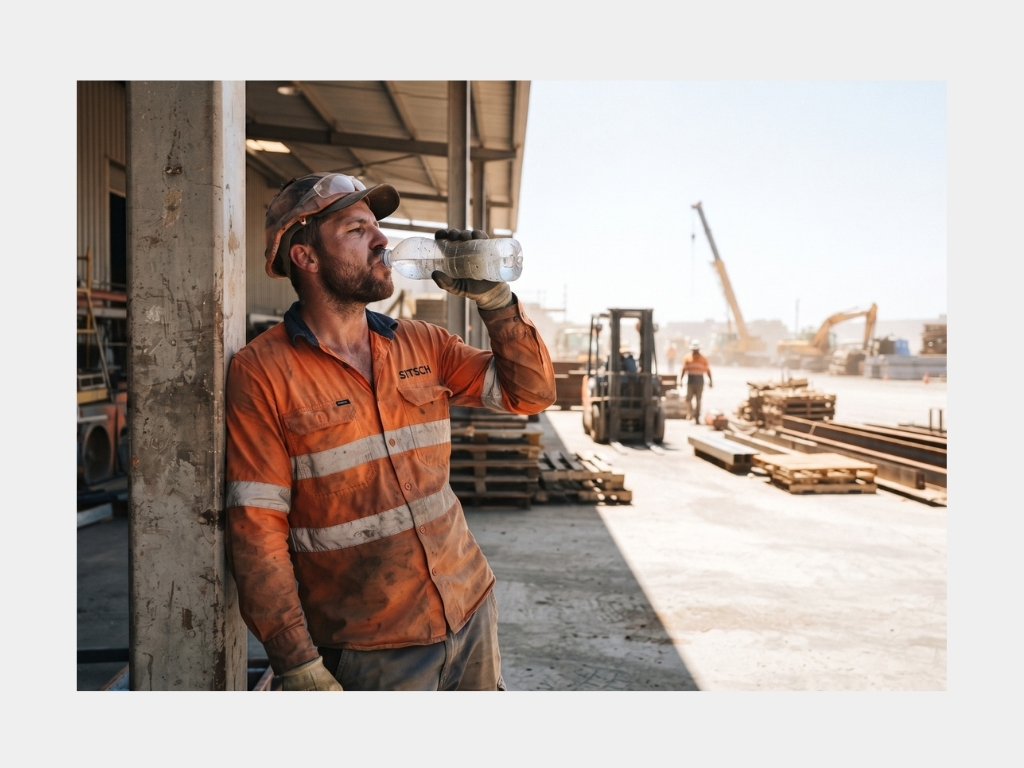
Living in Australia, we all know that temperatures can sometimes reach levels of “unbearable” and if you are working out onsite, on the road or in a factory or warehouse setting, the heat risks can be far greater.
El Niño and Hot Weather: What It Means for Work This Summer
This year the situation gets a little more serious. The Bureau of Meteorology has reported that we are currently experiencing an El Niño event, which means the Pacific Ocean is experiencing a natural cycle affecting global weather. An El Niño event usually lasts between 6 and 12 months and in some rare cases, up to 2 years!
While we are used to expecting scorching temperatures during summer months, the Bureau has flagged increases in the likelihood of higher-than-average temperatures, heatwaves and fire-prone weather particularly for the southeastern parts of the country.
Is There a Legal Temperature Limit for Working in Hot Weather?
This kind of weather comes with many health and safety risks, so as a business, the best thing you can do is prepare. We all know that businesses have an obligation to reduce as much risk as possible to employee’s health and safety. But what does that actually mean when it comes to hot weather?
Our health and safety legislation does not outline a single maximum “stop work” temperature (with the exception of some mining work regulations), so we need to address hot weather practically and with a common-sense approach specific to your own business and environment.
So, with summer around the corner, what do you need to know to prepare?
What Working in Hot Weather Really Depends On
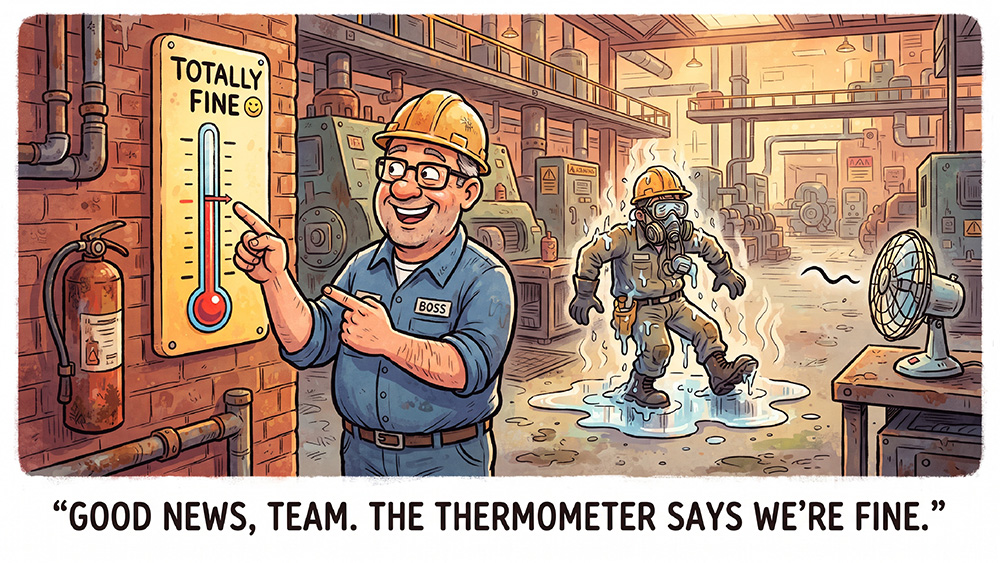
There are many factors beyond just what the thermometer is telling us that we need to take into consideration, including:
Where Your Employees Are Working
An employee working in an air-conditioned office is definitely not going to be as impacted by the heat as an employee working in a factory or warehouse where machines or a metal roof produce additional heat, or where employees may be working outside in direct sun with little shade. Another at-risk group is for employees out on the road travelling to various sites, who are driving in the heat, but also need to plan their travel to avoid bushfire-prone areas and/or being aware of the additional dangers in such areas, such as blocked roads, and hazards such as smoke and low visibility.
How Physical the Work Is
An administrative employee does not do the same level of physical work as employees who are in physically intensive jobs such as chefs, tradespeople and cleaners. This risk increases for employees undertaking physical work outdoors such as gardeners and onsite construction workers. We all know that the more physical movement we make, the hotter we are going to feel.
Airflow and Ventilation
Heat significantly influences airflow, particularly in indoor environments, which can lead to stagnant air and reduced airflow. Some environments, such as a factory producing food, may not have the luxury of opening a window or turning the air-conditioning on due to production and food safety requirements.
Humidity and Heat Stress
Humidity can make the air feel heavier and thicker, making it more difficult for the body to cool itself and regulate temperature.
Wearing PPE in the Heat
Some PPE can be difficult to bear with heat. Take for example face masks. Remember how horrible it was wearing face masks on a hot humid day during COVID? So, face masks, heavy steel-capped boots, eye protection and other PPE can make employees more uncomfortable, and they may need more assistance to stay cool.
The Hottest Time of Day
This one is pretty obvious. As we get closer to the afternoon, it gets hotter and we are all more exposed to the effects of the sun.
Individual Health Factors
An individual's health conditions can make some employees more susceptible to the effects of heat. Even without a health condition, not drinking enough water can lead to dehydration, even in a healthy individual.
Stop Work Temperatures in Policies, Awards and Agreements
Despite our laws not providing a “stop-work” temperature, some workplace policies and enterprise agreements do outline stop work temperatures, so any business with those guidelines in place must adhere to them.
Taking into consideration all the factors mentioned above, it is clear that the temperature is not the only thing we should be considering when struck by hotter-than-usual weather.
Practical Ways to Keep Your Team Safe When Working in Hot Weather
So, what are some things you can do?
A good starting point is to assess each role against the above factors and determine how these factors are likely to affect the role. From there, you can implement some strategies to keep all employees safe and comfortable at work. Some strategies you can consider include:
- Providing additional breaks to employees in cool, shaded or air-conditioned areas.
- Changing working hours to start earlier and finish earlier, reducing the amount of time spent working during the hottest parts of the day.
- Providing access to cool water at all times
- Providing icy poles to help employees cool down.
- Encouraging employees (where relevant and appropriate) to wear neck coolers
- Rotating labour-intensive tasks so employees share the more physically demanding or hotter tasks around the team
- Using fans, air conditioning and blinds to shade and keep spaces cool wherever possible
- Keeping track of state emergency apps so you are on top of any bush fire warnings. Direct employees to also download emergency apps such as the VicEmergency app so they get warnings directly to their phones and are aware of areas to avoid (this is especially useful for those who drive as part of their duties).
- Implementing and communicating policies and procedures for dealing with hot weather.
- Encouraging employees to speak up about any health concerns or struggles they may be experiencing with heat.
Planning Ahead for Hot Weather at Work
While there may not be concrete laws about what temperature is considered “too hot”, every employer remains obligated by law to provide a safe workplace free from physical and psychosocial risks. This means every employer should start thinking now about what strategies they will implement at relevant times. Being prepared for the hot days we know are coming this summer shows you care about your employees' wellbeing and are ready to act.
As a starting point, download our
and if you need some extra support, we are always here to help 😊
FAQs about Working in Hot Weather
No. Our health and safety laws don't set a single "stop work" temperature. Instead, you need to manage heat risks practically, based on the work, the environment and the people doing it. Some enterprise agreements and workplace policies do set stop work temperatures, so check yours.
It's more than what the thermometer says. Consider where people are working, how physical the work is, airflow, humidity, PPE, time of day and each person's individual health.
Start by assessing each role against the heat risk factors. Then look at practical steps like extra breaks in cool areas, earlier start times, cold water on hand, rotating physical tasks and a clear hot weather policy.
El Niño increases the chance of higher-than-average temperatures, heatwaves and fire-prone weather, especially in the southeast. It doesn't guarantee extreme heat, but it's a good reason to prepare early.
It's not a legal requirement on its own, but a clear policy makes it much easier to show you're meeting your health and safety obligations. It also gives your team certainty about what happens on extreme days.