

There has been plenty of noise about Victoria's proposed work from home (WFH) laws recently, and it is no surprise that employers have questions. When will it apply? Can an employer refuse a WFH arrangement? Who pays for home office equipment? And what if someone genuinely needs to be on site to do their job?
We completely understand your potential frustration around this issue, and the lack of detail that has been provided to date. Many of our clients will have genuine concerns about how to manage this if and when it becomes law, and rightly so. We expect to be assisting many of you on a business by business basis to be able to navigate the nuances of the legislation and your specific business and employee types, but in the meantime, we have some information that is hopefully helpful to you while you start to prepare for what might come.
First things first: the WFH rights are not law yet. The Equal Opportunity Amendment (Work from Home) Bill 2026 was introduced into the Victorian Parliament on 16 June 2026 and proposes to amend the Equal Opportunity Act 2010 (Vic). If passed, the new rights are expected to commence on 1 September 2026 for most Victorian employers, with businesses that have fewer than 15 employees given until 1 July 2027 to comply.
Although the Bill has not officially become law, if enacted, it will represent a significant shift from working from home being something employees request, to something eligible employees may have a legal right to access where it is reasonable. That’s why it’s important for you to start grappling with the information now. Figure out what you can and can't do, and put the right things in place now.
What you need to know for now
- Working from home may become a legal right for eligible employees... not just a request.
- Employees working more than 38 hours per week may qualify to work from home for up to two days per week, with a pro-rata entitlement for those working fewer hours.
- The proposed law may not cover some employees, including those on probation, apprentices, trainees and casual employees who do not work on a regular and systematic basis.
How would this work in practice?
An employee would need to provide a written Work from Home Notice to their employer. This notice would set out the days and times they wish to work from home. If they intend to work from somewhere other than their home, they must include that location too.
Can an employer refuse?
The short answer is yes, but only where the proposed arrangement is unreasonable. Before refusing a Work from Home Notice, employers would need to work through a process and provide any refusal in writing.
- Firstly, you will need to genuinely consider whether the employee can do their role remotely for 2 days per week. If yes, then the second consideration is whether the proposed days and hours are suitable and/or reasonable. If no, see below…
- If the days and times are not suitable for a genuine reason, then consider whether you could accommodate alternative days or times.
- If that is still not reasonable or possible, consider whether you could offer reduced days or hours instead.
What if the job cannot be performed remotely?
The proposed legislation appears to set a high bar for refusing a request. Employers would need to consider specific factors when deciding whether a Work from Home Notice is reasonable.
For example, you may need to consider whether the employee can perform the inherent requirements of their role without attending the workplace, using workplace-based equipment, or having in-person interactions with co-workers, clients, customers or stakeholders. A personal care worker in an aged care facility, for instance, may not be able to perform the inherent requirements of their role from home because their duties require physical attendance, access to workplace equipment and direct interaction with residents and other staff.
Other business impacts may also be relevant, including whether the proposed arrangement would:
- cause a significant decrease in productivity or efficiency;
- adversely affect supervision, training or professional development of employees;
- significantly impact relationship-building with stakeholders, customers or clients;
- significantly affect customer service outcomes;
- create a significant risk to confidentiality or data protection;
- impose excessive financial costs on the employer;
- require impractical changes to the working arrangements of the employee or other employees; or
- require impractical new hiring arrangements.
What if an employee is allowed to work from home?
Under the proposed legislation, employers may need to cover reasonable costs necessary for an employee to work from home. This could include essential equipment and secure access to IT systems. The key word here is reasonable, not excessive, and further guidance will hopefully clarify what that looks like in practice.
This is a significant proposed change, but it is important to remember that the Bill has not yet been enacted. The final legislation may still change, and the government may release further guidance before commencement.
Practical steps you can take now
- Review your existing flexible work or work from home policies or start developing one that aligns with the proposed legislation
- Identify which roles can reasonably be performed from home and which cannot, documenting genuine operational reasons where remote work is not practical.
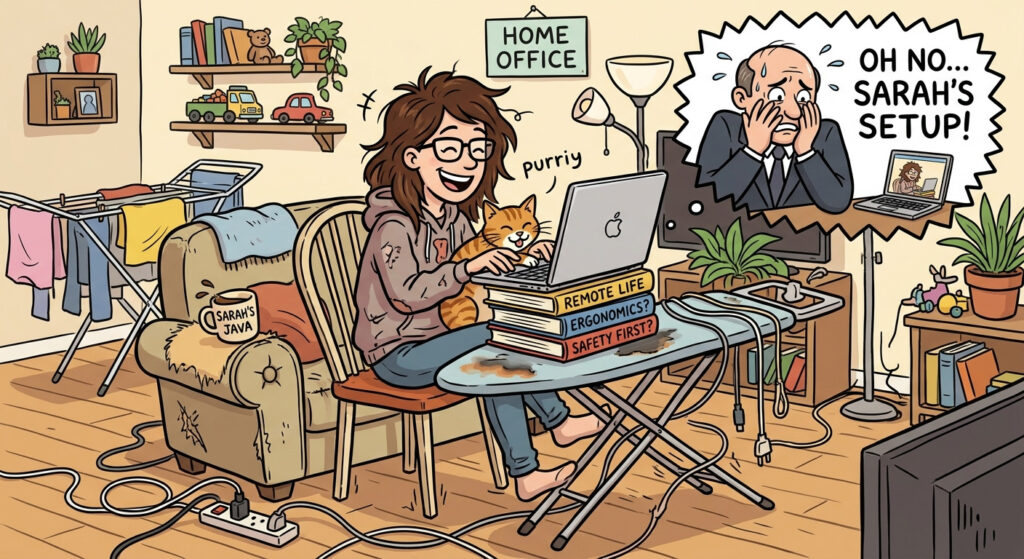
- Consider workplace health and safety obligations for remote work, including a process or checklist to help employees set up safe and healthy home work environments.
This change could be a big one for Victorian employers — and preparation will be key. For now, watch this space. We will continue monitoring the progress of the Bill and provide further updates as more detail becomes available.
And in closing, I hear you all – it is so frustrating having such rules and regulations imposed on business owners that cause us anxiety and concern and potentially cost as well. So it’s important to share this relevant quote!
“The only way to make sense out of change is to plunge into it, move with it, and join the dance” Alan Wilson Watts
If you need to start preparing or need help navigating these changes – don’t hesitate to reach out, because we’re always here to help.
Written by Deb Peppard, cutting through the noise so you know what to actually do next.
FAQs about the proposed work from home laws
Not yet. The Equal Opportunity Amendment (Work from Home) Bill 2026 was introduced to Victorian Parliament on 16 June 2026 but has not passed. If enacted, it's expected to start on 1 September 2026 for most employers.
Yes, but only where the arrangement is genuinely unreasonable. Employers would need to work through a structured process and put any refusal in writing.
Eligible employees working more than 38 hours a week could work from home up to two days per week, with a pro-rata entitlement for those working fewer hours.
Employees on probation, apprentices, trainees, and casuals who aren't engaged on a regular and systematic basis may be excluded.
Possibly. Employers may need to cover reasonable costs for essentials like equipment and secure IT access. The key word is reasonable, not excessive.