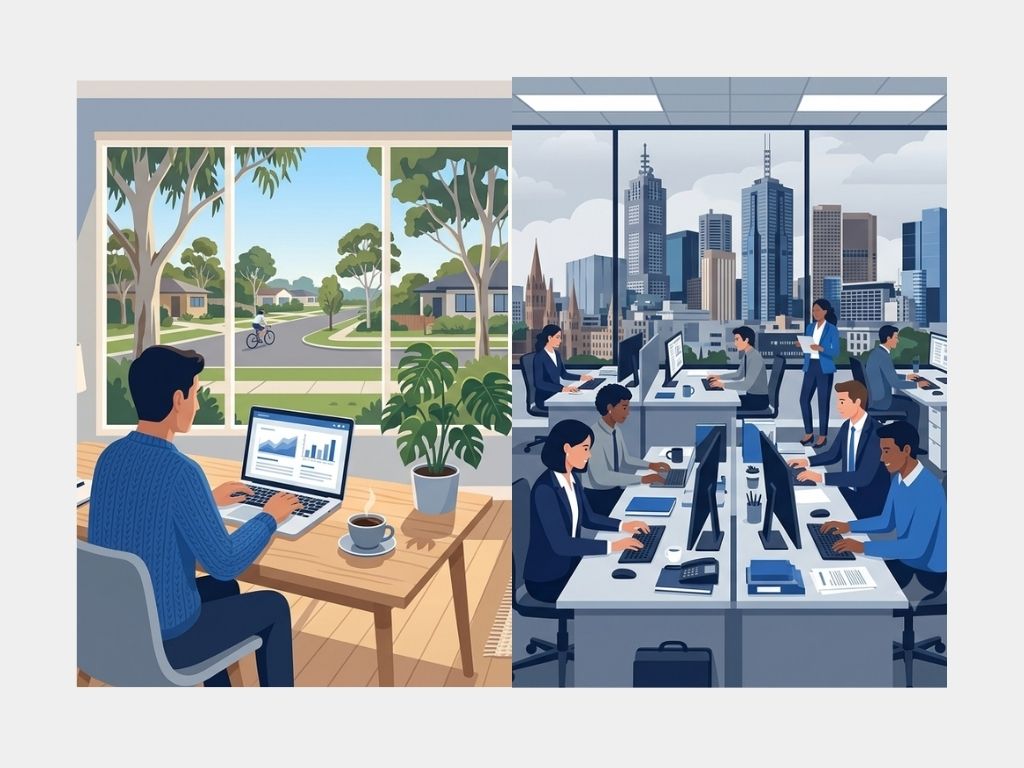
Newly installed Victorian Premier Ben Carroll has flagged potential amendments to the Equal Opportunity Amendment (Work from Home) Bill 2026, following a fair bit of backlash from business groups. We are yet to hear exactly what those amendments will include, but so far it looks like the focus will be on removing cost liabilities and adjusting small business exemptions.
Carroll will reopen consultation with business groups and look to amend the bill while it sits in the Upper House. Worth noting, the bill has already cleared the Legislative Assembly untouched (third reading passed 30 July with no amendments), so whatever changes are coming will need to happen in the Upper House from here.
What Carroll Has Actually Confirmed
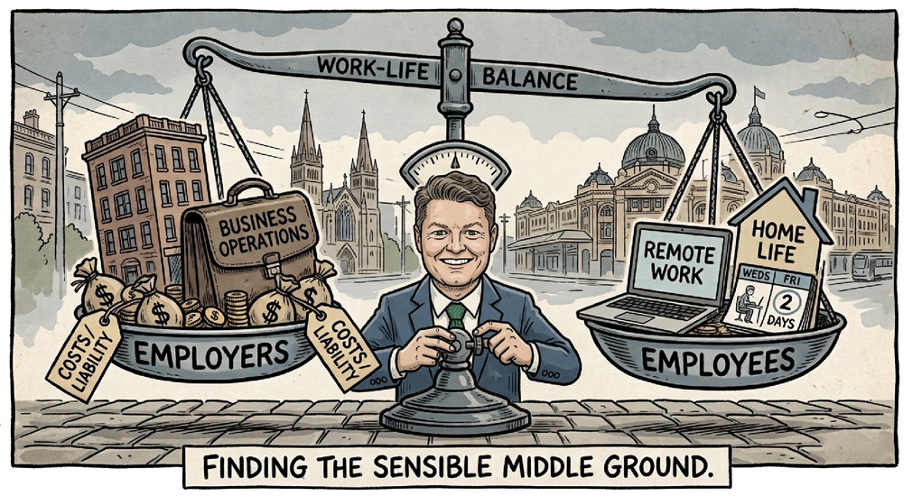
Carroll has confirmed the two days per week right stays in place, but he will consider anything that is "sensible." As he put it: "Work from home does work for families, and now it will go through that parliamentary process, and we will consider anything that is sensible."
He went further too, telling media "sensible changes will always come up in any debate, and like any other debate, they will be considered." So it sounds like the two day entitlement itself isn't going anywhere, but the fine print around it is very much up for grabs.
Why Employers Are Worried
Employer associations have argued the proposed commencement of the WFH legislation is dangerously compressed, leaving employers scrambling to rewrite policies, establish new processes, assess safety obligations, understand cost liabilities, train new managers and respond to employee notices under an entirely new legal regime.
And they're not wrong about the timeline being tight. As it stands, the WFH right kicks in for most employers from 1 September 2026, though businesses with fewer than 15 employees get a reprieve until 1 July 2027. Some of the reported changes on the table include scrapping a "stacking" clause that would let employees with existing flexible arrangements tack on extra WFH days and removing the requirement for employers to cover remote work equipment and injury liabilities.
Not Everyone Agrees On The Fix
Business groups like COSBOA had hoped Carroll would use the change in leadership to scrap the bill altogether, or at the very least exempt businesses with under 50 full time equivalent employees. That's not the road he's gone down. On the other side, people leaders have pushed back the other way too, with concerns raised that softening the bill risks trading real progress for a short term truce with business.
Either way, we'll keep watching this one closely as it moves through the Upper House. If you're an employer trying to get ahead of whatever lands, now is the time to start thinking through your policies, not after the ink is dry. For a refresher on the wider workplace law changes already in play this year, have a read of our July 2026 workplace law changes wrap up.
And remember, we're always here to help