

We've all heard the stories about someone showing up to work after a big night out, feeling (and looking) worse for wear. We've probably laughed about it too, and had a giggle at their experience, likely with some firsthand knowledge of the hangover feels they're feeling. When it comes to drugs and alcohol in the workplace, though, the joke wears thin pretty quickly.
But the reality is that people operating under the influence of drugs and/or alcohol at work is a big risk for your business. And unfortunately, it's not even the people who roll up looking a bit green around the gills that are the major concerns. More often than you'd realise, managers and senior-level people are working under the influence of drugs such as speed, coke and ice… and you'd likely not even realise.
Drugs and Alcohol in the Workplace Aren't Just a Construction Site Problem
When people think about alcohol and drugs in the workplace, they often imagine high-risk environments such as construction, warehouses, factories and driving roles. While the risks are certainly significant in these settings, it's a mistake to consider that other environments are not rife with issues. Alcohol and drugs can impact concentration, decision making, reaction times, memory and judgement, communication skills and regulation of emotions. Even in an office environment these effects can lead to mistakes, poor decisions, damaged relationships and reduced productivity.
When It's a Leader Who's Affected
If you happen to be an avid reader of our weekly blogs, you may recall that in the last few weeks I wrote about positive duty obligations (reduce or eliminate sexual harassment and sex discrimination), leadership consistency (all leaders reading from the same playbook) and psychosocial hazards (things that can cause an employee to incur a mental health injury).
So now, think about the impact that one of your leaders operating under the influence of alcohol or drugs could have on these areas:
- The leader that can't regulate their moods or emotions, and how that becomes a psychosocial risk to their team
- The leader whose decision making is impacted by drugs or alcohol and engages in activities that are tantamount to sexual harassment
- The leader who fails to hold people accountable for company standards because their memory is failing or their judgement is compromised
The Risks Go Right Across Your Business
So, across the board we have a myriad of risks from alcohol and drugs. Your individual contributors could be in roles where one mistake or impaired judgement results in serious injury or death, to themselves or others. Your leaders can inflict harm on your team or client relationships, eroding your business culture and reputation. And in some cases, it's both.
If you're now saying to yourself 'yep, I get it, but it doesn't happen here', think again. Don't stick your head in the sand.
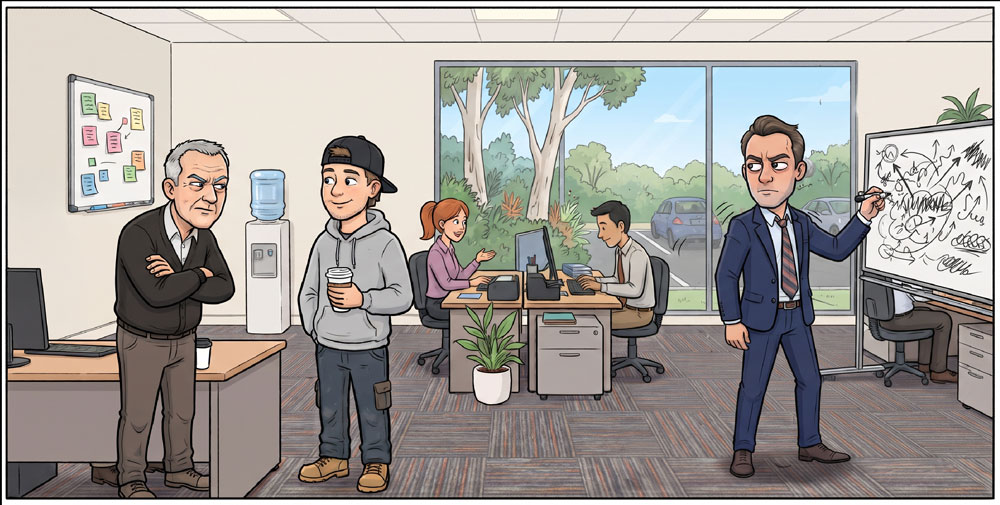
The One I Didn't See Coming
I recently encountered a situation that I was completely shocked by. I mean, I have seen a lot in my time in HR and business, and I'm really not naïve, but I completely missed a professional HR person whose erratic behaviour, mood swings and poor judgement were being caused by drug use, both at home and, shockingly, at work. When it was uncovered everything made sense, but to be honest, it was something I hadn't even considered beforehand. A senior-level leader didn't fit the typical model of someone coming to work under the influence of drugs. Not to stereotype, but it truly didn't even register with me! Don't be me! Recognise the warning signs.
Warning Signs Someone May Not Be Fit for Work
Every situation is different, but some signs that a person may not be fit for work include:
- Slurred speech
- Unsteady movements
- Strong smell of alcohol
- Difficulty concentrating
- Extreme fatigue
- Mood swings or unusual behaviour
- Repeated errors or poor judgement
- Frequent lateness or absenteeism
Don't Jump to Conclusions
It's important not to jump to conclusions. Many of these signs could be linked to medical conditions, stress, fatigue, or other factors. However, if there are concerns about someone's fitness for work, they should be addressed promptly and professionally.
What to Do About It
Have a Robust Drug and Alcohol Policy
The best way to address any concerns is to have a robust and appropriate drug and alcohol policy in place that includes the business's right to undertake testing as required.
Get Proactive With Education
If you have a safety or OHS team in place, get them to do some proactive education sessions on the dangers of drugs and alcohol. Even put some posters up around your workplace promoting the importance of being mentally and physically well, and the dangers or impacts drugs and alcohol can have.
Don't Stick Your Head in the Sand
Regardless of whether you decide to do something proactive to promote good health or wait until you see signs that may need investigation, ensure you have a good policy in place. Don't stick your head in the sand. Take action to investigate and identify drug and alcohol use that could impact your people and your business.
If you need help with writing an appropriate policy, or implementing some proactive, health focused messages and activities, reach out to us, because we're always here to help.
FAQs
Common signs include slurred speech, unsteady movements, a smell of alcohol, trouble concentrating, extreme tiredness, mood swings, repeated mistakes and frequent lateness or absence. None of these proves anything on its own, so treat them as a reason to check in, not to accuse.
If you have genuine concerns about their safety or the safety of others, you can generally direct them not to keep working. Your policy should spell out how this works, including whether the time is paid. Never let them drive themselves home.
Often yes, but it needs to be set up properly. That means a clear policy, consultation with your staff, and a testing approach that fits the risks of the role. Random testing in low-risk office roles is harder to justify than testing in safety-critical jobs, so get advice before you start.
Yes. Every employer has a duty to keep people safe at work. A policy gives you a fair, consistent way to act when something comes up, rather than making it up on the spot.
That's exactly why you don't jump to conclusions. Have a private, respectful conversation, focus on what you've observed, and give the person a chance to explain. Your policy and your EAP (if you have one) should support that process.