
In our last blog, we talked about the changes coming to casual employment.
Casual employment sounds simple. Until you’ve got someone who’s been working the same shifts for a year. Then no one’s quite sure what they are anymore.
That’s where this phrase “regular and systematic” comes in.
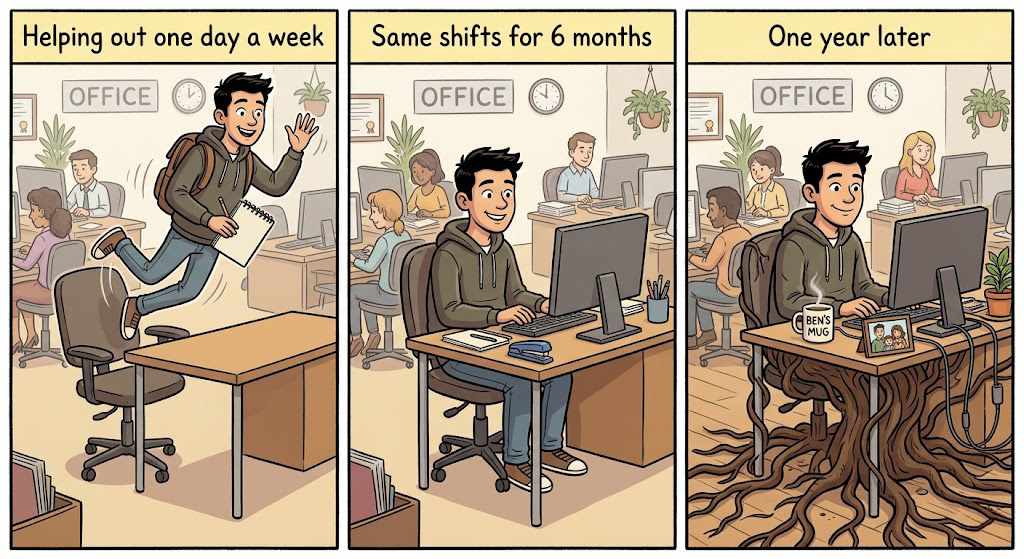
It gets thrown around a lot, but in real life, it usually shows up in a much more subtle way. No big announcement. No clear line in the sand. Just a gradual shift from “helping out” to “always here.”
And that’s where businesses can get caught out.
So what does “regular and systematic” actually mean?
The key phrase we are considering here is ‘regular and systematic’ and how that applies to casual employment.
‘Regular and systematic’ implies that there has been some sort of repetitive pattern or plan to the employment.
It means that there is an assumption that the work is ongoing and will continue with some form of pattern. It might be the same days each week, or different days with similar hours. Either way, if they’re working around 20 hours each week, that’s a pattern.
There’s nothing wrong with a casual role becoming more regular over time. Business needs change, workflows shift, and sometimes you just find someone who’s really good at what they do. That’s why casual employees have the right to convert.
Keeping casual employees, casual
If you want to keep casual employees as casuals and avoid any claims for paid leave then you need to:
- Be sure there is no commitment to any ongoing work
- Try to keep their days and shift lengths varied so it doesn’t turn into a regular pattern.
- Make sure the 25% casual loading is applied and clearly written into the contract. Including the base rate and the loading.
- Your contract should include an offset clause that clearly states the casual loading is paid in place of leave entitlements.
Casual scenario: when a pattern forms
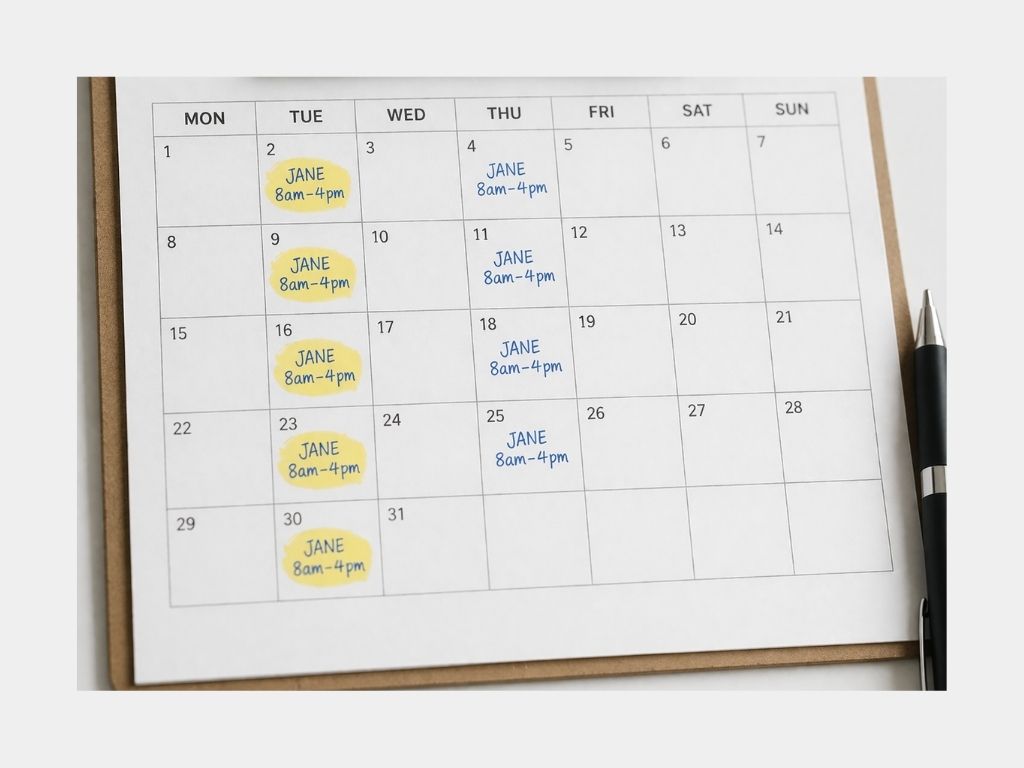
For example, Jane is a casual employee at a warehouse picking and packing.
She knows she’ll be there every Tuesday for an 8-hour shift. Most weeks, she also picks up another 8-hour shift later in the week.
She’s been working like this for over a year.
Jane is paid a higher hourly rate because she receives casual loading, which is meant to cover paid leave entitlements.
But when you step back and look at it, there’s a clear pattern.
She’s working every Tuesday, and consistently around 16 hours a week.
There’s ongoing work, and realistically, the business could move her into a permanent role without changing much at all.
Jane may have the right to request conversion, and depending on the circumstances, the employer may need to consider that request.
Casual scenario: when there is no pattern
Now compare that to Neil.
Neil works in the same warehouse, but his shifts are completely different.
He comes in when things get busy. That might be when a large order lands unexpectedly, or when someone is on leave. When they need an extra set of hands.
Some weeks he might work five days. Then you might not see him for a month.
There’s no rhythm. No expectation. No real pattern.
He gets a casual loading on top of his base rate, and his contract and payslip clearly show this.
Neil could still apply for casual conversion, but the business is likely to have reasonable grounds to refuse
There’s no regular and systematic pattern to his work, which is a key part of the criteria.
Because the casual loading has been properly applied and documented, the business is in a much stronger position if a claim is made.
Casual employment - the challenge
But wait.. there’s more to this….
Leanne has been working as a casual for six years.
She works the same 20 hours every week, and sometimes picks up an extra shift as well.
Over that time, the business tried a few times to move her into permanent part-time, but she always said no. She likes the higher hourly rate and the flexibility to pick and choose her shifts.
Then life happens.
Her husband becomes very ill, and she needs time off to care for him. Suddenly, there’s no income coming in, and as a casual, she doesn’t have access to paid leave. That’s when things shift.
Leanne makes a claim to the Fair Work Commission, arguing that she’s effectively been a permanent employee. She’s been working the same 20 hours every week for years, consistently and predictably.
The employer does not have an employment contract in place stipulating that her pay includes casual loading. Nor does it specify that the higher rate of pay is to offset leave entitlements. In that situation, the Fair Work Commission may decide Leanne is actually a permanent employee. That could mean the business owes her years of accrued leave.
Same situation, very different outcome
If the employer has a clear contract in place that sets out the base rate, the casual loading, and includes an offset clause, they’re in a much stronger position.
Even if the Commission found she was effectively a permanent employee, the employer may be able to rely on the casual loading already paid to offset any claim for leave, depending on how the contract is drafted and how the payments were applied.
That can significantly reduce any backpay exposure for the business.
From there, the business may treat her as permanent, with a lower hourly rate and the ability to accrue leave.
It is a minefield. It’s important that you have the right protections in place to avoid employees being able to ‘double-dip’ in situations like this.
As an employer, you need to keep an eye on how your casual employees are working. Be ready to respond properly if a conversion request comes up.
If you are unsure of your obligations, or you need help in defining employment status for any of your team, contact HR Staff n’ Stuff for support.
Regular and systematic means a casual employee works in a predictable pattern, same days, similar hours, ongoing shifts, rather than genuinely irregular work. Under the post-August 2024 Fair Work Act definition, this pattern is one of the warning signs that an employee may not actually be casual, even if their contract says they are.
No, conversion is not automatic. Under the employee choice pathway introduced in August 2024, eligible casual employees can notify their employer that they believe they no longer meet the definition of a casual. The employer must then respond within 21 days and either accept the change or provide written reasons for refusing.
An employer can refuse on fair and reasonable grounds, such as the employee still genuinely meeting the casual definition or significant changes being required to the employee's hours or days. Refusals must be in writing within 21 days and explain the reasoning. Unreasonable refusals can lead to Fair Work Commission disputes.
Since 26 August 2024, a casual employee is defined as someone whose employment has no firm advance commitment to continuing and indefinite work, assessed on the real substance of the working relationship, not just what the contract says. Pay loading, work patterns, and the parties' conduct all factor into the assessment.
Misclassification exposes employers to back-pay claims for entitlements like annual leave, personal leave, and redundancy pay, even where casual loading was already paid. Under the new rules, courts no longer automatically offset casual loading against owed entitlements. Penalties also apply for sham casual arrangements designed to avoid permanent employment obligations.
Yes. The new casual definition and employee choice pathway apply to all employers regardless of size.
The Casual Employment Information Statement is a Fair Work document employers must give to all new casual employees when they start work, and again at set intervals during their employment. It explains their rights, including the new employee choice pathway. Failing to provide it is a breach of the Fair Work Act and attracts penalties.
At least every six to twelve months, and any time a casual's work pattern shifts toward regular and systematic hours. A simple audit, looking at rostered hours, predictability, and length of service, helps you identify employees who may have moved beyond a genuine casual arrangement and reduce your exposure to back-pay claims.