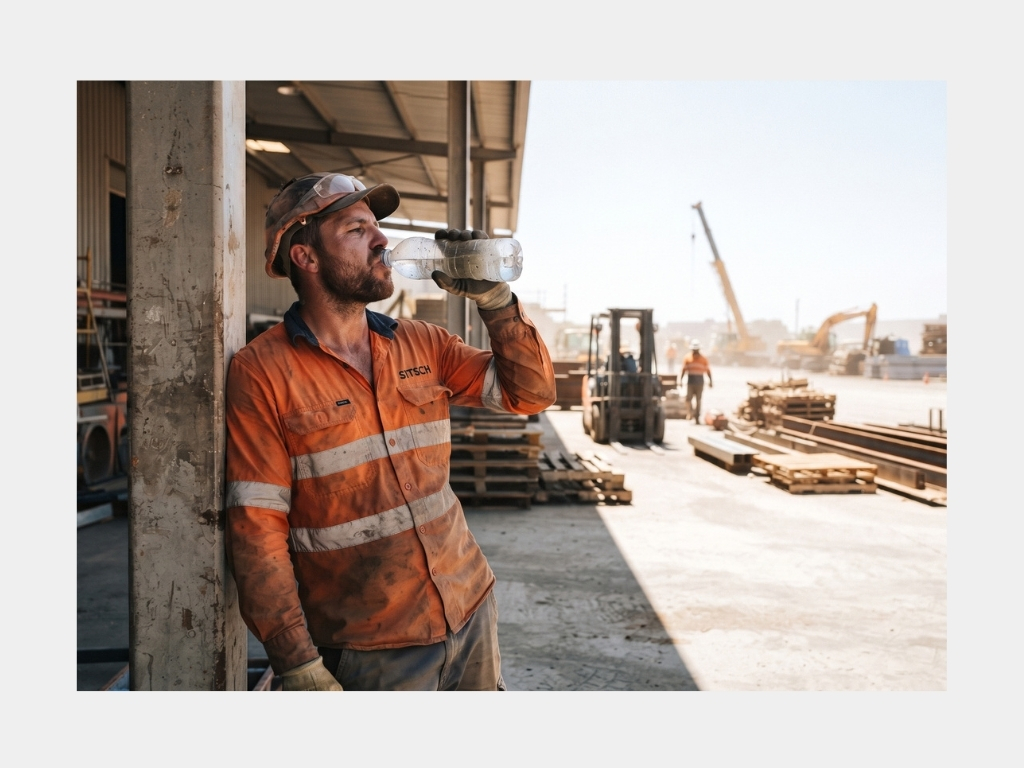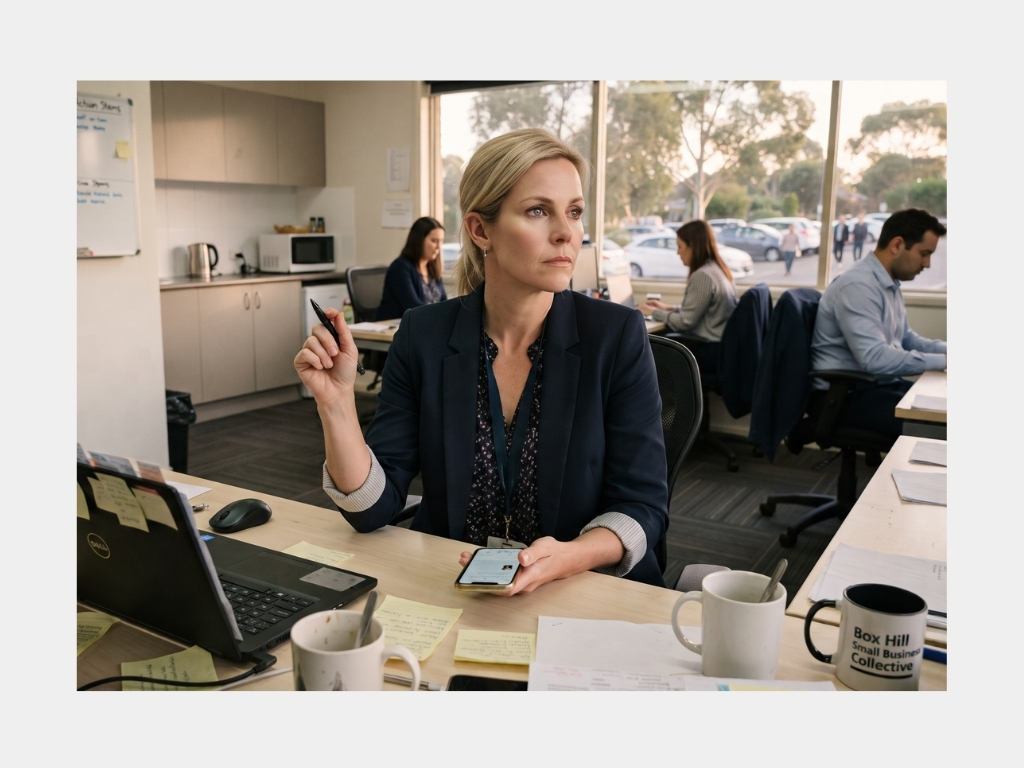
October is National Safe Work Month across Australia and is the perfect opportunity to ensure the current work health and safety standards are up to scratch in your business. This year’s theme is “Safe work is for Life” which signifies how work health and safety extends beyond just the workplace and how a workplace injury can have an impact on a person’s entire life including their health, wellbeing, family, future earning capacity and quality of life.
Australia's Cold Hard Facts
- 222 workers lost their lives due to traumatic workplace injuries in 2025. That is about 1.5 fatalities per 100,000 workers.
- There were 147,200 serious workers’ compensation claims in 2024-25. That works out to more than 400 serious claims a day across Australia. A serious claim is an accepted claim involving one or more weeks away from work.
- The median time lost from work-related illness or injury was 8.2 weeks in 2023-24.
- In total, 263,945 workers’ compensation claims were lodged in 2024-25.
Your Quick WHS Compliance Checklist
With numbers like that, a quick compliance check is well worth the effort. Whether your business falls under WHS laws or Victoria's OHS laws, every workplace is different and comes with its own set of physical and psychosocial risks, here are a few things you can do to conduct a quick compliance check:
- Review WHS policies and procedures to ensure they are relevant and up to date with current legislation.
- Make sure employees know where to find health and safety policies and procedures. It's one thing to create these documents as a tick box exercise. It’s another thing ensuring employees understand them, know where to find them and understand how to use these documents. Specific things like knowing how and when to report a near-miss, incident or injury is key.
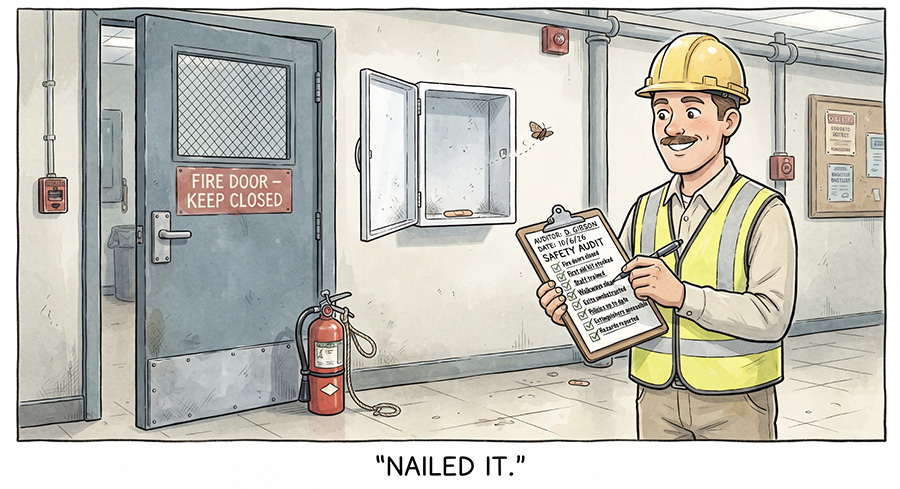
- Conduct a workplace assessment, safety audit or risk assessment. Cover the physical workplace as well as any machinery, tools, personal protective equipment (PPE), electrical equipment and any other item or place an employee may work in or with. Apply the hierarchy of controls to eliminate hazards or minimise risks.
- Provide any WHS training or refresher sessions, such as manual handling training, working at heights or working with hazardous chemicals. Ensure anyone using machinery has been trained in the correct procedures, and that anyone driving a forklift holds a current licence.
- Verify that any licences, clearances and other competencies required for each role are current Examples include the construction induction white card, Working with Children Check and NDIS worker screening check.
- Confirm your emergency preparedness. Review your emergency evacuation plans, and check that first aid kits, fire extinguishers and any other emergency equipment are accessible and in good working order. It may even be worth running an evacuation drill.
Don’t Forget to Talk to Your People
These are just a few steps you can take to stay compliant with workplace health and safety obligations. When you think about workplace health and safety, consider both physical and psychosocial hazards. Importantly, don’t forget that consultation is a crucial part of health and safety regulations in Australia, so start having conversations with employees and gather their input. Your employees may be your best resource to identify any health and safety gaps in the workplace and to make suggestions on where things can be improved
Make October the Month to Act
October is the perfect month to bring these conversations to life. To help, Safe Work Australia has developed a National Safe Work Month Activity Kit which provides practical activities and discussion prompts to help turn conversations about WHS into action.
And as always, we are here to help at HR Staff n' Stuff 😊
Statistics source: Key Work Health and Safety Statistics Australia 2026, Safe Work Australia
FAQs
National Safe Work Month runs every October in Australia. Safe Work Australia uses it to encourage businesses to put work health and safety front of mind.
The 2026 theme is “Safe work is for life”. It recognises that a workplace injury can affect a person’s health, family, income and quality of life well beyond the workplace.
Review your WHS policies and procedures, make sure staff know where to find them, and complete a risk assessment. Check that training, licences and clearances are current, and confirm your emergency plans and equipment are ready to go.
Yes. Employers must manage psychosocial hazards such as low role clarity, bullying and excessive workloads just as they manage physical risks.
Yes. Australian health and safety laws require employers to consult workers on matters that affect their health and safety, so far as is reasonably practicable.