
If you’re struggling to find “good people” right now, it might not be a hiring problem. It might be a lack of power skills in the workplace
Across industries, employers keep saying the same thing. “We can find technically capable people, but they can’t lead, communicate, or think on their feet.”
So what's going on?
The power skills employers are looking for
Across all industries, cities and even globally, employers consistently list the same top power skills they’re desperate for:
- Communication & Active Listening: Clear, thoughtful communication across email, meetings, and digital channels
- Adaptability & Resilience: Staying steady when things change (and they always do)
- Collaboration & Teamwork: Working well with others, sharing credit, and supporting the group
- Problem-Solving & Critical Thinking: Spotting issues early and thinking through solutions
- Emotional Intelligence (EQ): Reading the room, managing emotions, building trust
- Leadership & Management: Taking ownership and guiding others, even without a title
- Customer Focus: Understanding what clients need and delivering it with care
- Creativity & Innovation: Finding fresh ways to improve processes or tackle challenges
- Curiosity & Lifelong Learning: Staying open, asking questions and seeking growth
- Time Management & Reliability: Prioritising well and consistently delivering on time
These aren’t “nice to haves.” They’re the backbone of a high-performing team. Interestingly though, most businesses aren’t actively developing them. Instead, businesses continue to focus on developing technical skills. This is creating an issue, especially when trying to recruit a new superstar for your business.
The disconnect: employers want power skills but don’t invest in them
The reality for many SMEs is that training budgets (if the business even has one) often focus on technical skills, and the power skills I mentioned above are seen as “natural traits” rather than teachable capabilities.
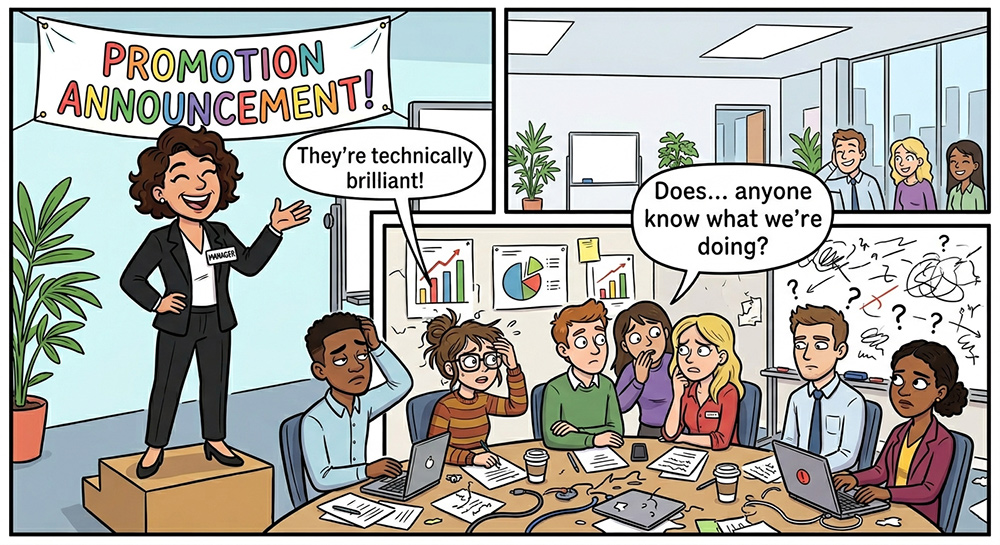
One of the biggest issues we get asked to assist with at HR Staff n’ Stuff is when a client has promoted a person to a leadership position because of their expert technical skills. Cracks are starting to show in the team…….and it’s coming from poor leadership. Being the best carpenter on the team doesn’t mean the person has great people leadership skills. There has been no investment in coaching the leadership skills that the person will need to be successful, and the person has been left to ‘pick it up on the job’ or ‘figure it out’. Because that doesn’t happen naturally, we get called in to assist with fixing the issue…..
Putting a person in a leadership position who doesn’t have well developed leadership skills is asking for trouble. The lack of leadership (power skills – sometimes referred to as ‘soft skills’) can lead to all sorts of issues in your business – from retention and engagement issues to toxic cultures being able to thrive.
Why power skills matter more than ever
It’s important to understand that the market has shifted.
Technical skills now have a shorter shelf life. AI is taking over repetitive tasks. Remote and hybrid work require clearer communication and stronger emotional intelligence and leaders with strong power skills have lower turnover and higher morale in their teams..
AI might replace tasks, but it won’t replace people skills.
In other words: power skills are no longer optional. They’re your competitive advantage.
Businesses that thrive over the next decade will be the ones that build these skills internally instead of scrambling to buy them in. And one of the key things you can do to retain good people is invest in them. Coach them. It doesn’t have to be a significant spend; there are many ways to mentor and grow these power skills without it breaking the bank.
Why You Can’t Rely on Hiring Alone
Hiring for power skills is tough.
You can’t test resilience properly in a 45-minute interview. You can’t measure emotional intelligence from a CV and you can’t truly see collaboration skills until someone is in your team.
Yes, assessments can help. But even then, you can still get it wrong. When you do find someone who has these skills, they’re in high demand, which means they’re expensive and they’re being courted by bigger companies with deeper pockets.
The smarter move for SMEs: build, don’t buy
Here’s the good news.
Power skills are absolutely teachable.
And SMEs actually have the advantage here. You’re small enough to create change quickly and embed learning into everyday work.
Practical ways to start building power skills
- Create space for reflection and feedback. This builds emotional intelligence and communication.
- Rotate responsibilities across your team. This grows leadership and adaptability.
- Run problem-solving workshops. This strengthens critical thinking.
- Encourage curiosity. Reward people for asking questions, not just having answers.
- Model the behaviours you want to see. Culture starts with leadership
- Run DiSC workshops. Give people the tools to improve communication and leadership
When you invest in power skills, you’re not just improving individuals.
You’re strengthening your entire business.
The bottom line
Power skills are the skills that make teams resilient, customers loyal, and businesses future‑ready. They’re the skills employers are trying to buy, but the ones they should be building.
If you’re a small or medium‑sized business, developing these skills internally isn’t just a nice idea. It is a strategic move that will save you time, money, and turnover headaches while creating a stronger, more adaptable workforce.
And the best part? You don’t need a huge budget to start. You just need intention.
If you’d like some support coming up with innovative ways to develop power skills in your business, reach out to our team today, because we have loads of ideas and we’re always here to help.
FAQs on Power skills in the workplace
Power skills are non-technical skills like communication, leadership, and emotional intelligence that help employees work effectively with others and adapt to change. They’re essential for team performance and long-term business success.
Power skills help SMEs improve communication, reduce turnover, and build stronger teams. Without them, even technically strong employees can struggle in leadership and teamwork roles.
Yes. Power skills can be developed through coaching, feedback, mentoring, and structured workshops. They are not just natural traits.
Power skills are hard to assess in interviews. You often can’t see how someone communicates, collaborates, or handles pressure until they’re in the role.