Here’s Why Work Health and Safety Matters More Than Ever
We know that reading about work health and safety for employers isn’t exactly thrilling. But it is one of the most important responsibilities you have as a business owner.
And while October’s National Safe Work Month might shine a spotlight on safety, the reality is this isn’t something that gets packed away for the other 11 months of the year.
Safety is an everyday responsibility.
Because while a paper cut might be the worst injury some workplaces see… that’s not the case for everyone. Employees across all industries can be exposed to physical and psychological harm if safety isn’t being actively managed.
Work Health and Safety for Employers Starts With Your People
Everyone who works for you is a person first and an employee second.
That means protecting your team isn’t just about ticking compliance boxes. It’s about making sure your people go home each day physically and mentally well enough to enjoy their lives outside of work.
Yes, there are legal obligations around WHS. But this goes beyond that. Creating a safe workplace is about doing the right thing. Full stop.
Delivering a Safe Workplace Pays Off
You already know this… but when it comes to work health and safety for employers, it’s worth repeating. Unsafe workplaces cost money. And usually a lot more than doing things properly in the first place.
Workplace injuries and mental health claims cost Australian businesses billions each year in lost productivity, absenteeism, and compensation.
Much of this is preventable. Taking a proactive approach to identifying and managing risks can make a significant difference.
That might include:
- Talking to your team about where risks exist
- Reviewing how work is actually being done (not just how it’s documented)
- Addressing hazards before they become incidents
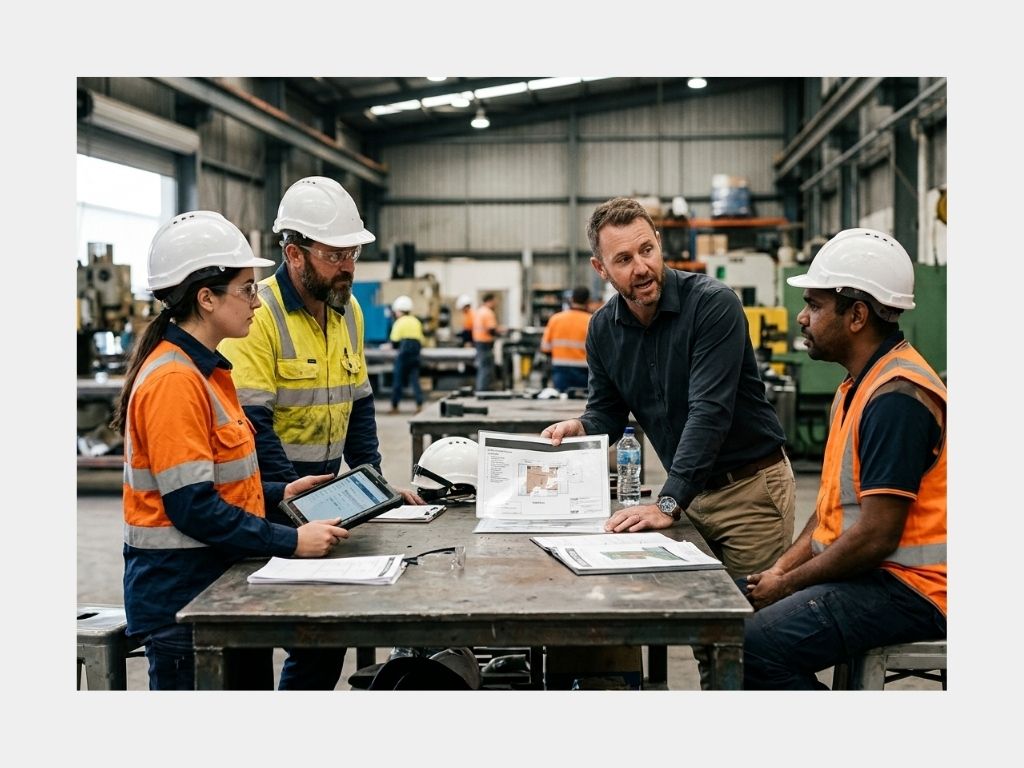
If your workplace involves higher physical risks like machinery, working at heights or electrical work, or you simply want a fresh set of eyes across your processes, bringing in an independent WHS consultant to complete a risk assessment can be a smart move.
Work Health and Safety for Employers Includes Mental Health
Workplace safety isn’t just physical anymore. Psychological safety is now a critical part of your WHS obligations. Over recent years, there’s been a clear increase in mental health-related claims. And that hasn’t slowed down. As an employer, you play a key role in creating a workplace where people feel supported, not stretched to breaking point.
That means:
- Promoting a healthy work-life balance
- Addressing inappropriate behaviour quickly
- Not tolerating bullying or toxic conduct
- Providing support when workloads become overwhelming
Let’s Talk About Stress
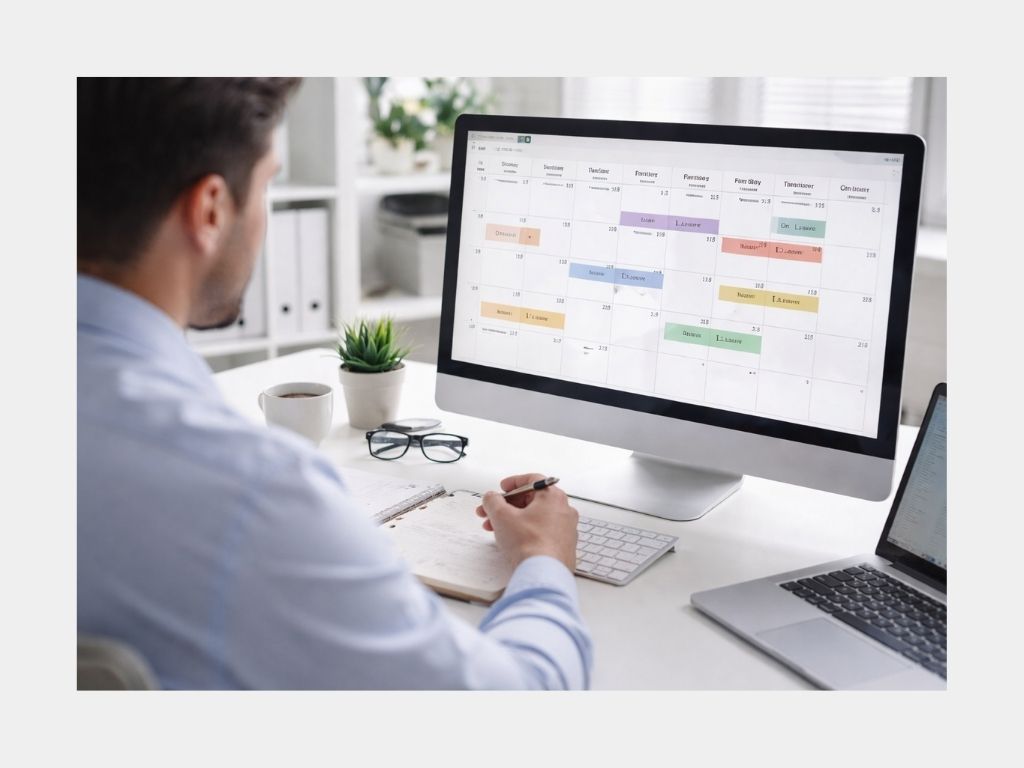
Stress isn’t something you can eliminate entirely. Work comes with deadlines, pressure, and busy periods. But unmanaged or ongoing stress is where the real risk sits.
You can reduce the impact by:
- Encouraging employees to take leave
- Checking workloads are realistic
- Providing the right tools and resources
- Keeping communication open
Sometimes stress comes from outside of work too. That’s where support systems like an Employee Assistance Program (EAP) can make a real difference.
When Culture Is the Problem
If stress or issues are being caused by workplace behaviour or culture, that’s something you can’t ignore.
Hoping it will resolve itself doesn’t work. In fact, it usually makes things worse. Toxic behaviour needs to be addressed properly and early. And if things have gone too far, getting support to reset expectations and rebuild culture can save you a lot of time, money, and frustration down the track.
The Bottom Line
Businesses that take safety seriously don’t just meet their compliance requirements. They create workplaces where people feel safe, supported, and valued. And when that happens, engagement improves, culture strengthens, and performance follows.
Need Support With WHS or Workplace Culture?
If you’re not sure where your risks sit, or you know things need to change but don’t know where to start, we can help.
From WHS risk assessments to culture and behaviour support, the team at HR Staff n’ Stuff works with you to create practical, workable solutions for your business.
Get in touch to have a conversation about what’s happening in your workplace.
✅ FAQs
What are an employer’s WHS responsibilities in Australia?
Employers must provide a safe working environment, including managing physical and psychological risks, ensuring safe systems of work, and supporting employee wellbeing. You can find more guidance through Safe Work Australia and the Fair Work Ombudsman.
Does WHS include mental health?
Yes. Employers are required to manage psychosocial hazards such as stress, bullying, and excessive workloads as part of their WHS obligations.
What is a WHS risk assessment?
A WHS risk assessment identifies potential hazards in the workplace and evaluates the likelihood and impact of those risks so they can be controlled or eliminated.
How can employers reduce workplace stress?
By managing workloads, encouraging leave, maintaining open communication, and providing support services like Employee Assistance Programs.
When should I get a WHS consultant?
If your workplace has higher risks, you’re unsure about compliance, or issues keep popping up, a consultant can provide an independent assessment and practical solutions.