
Lessons from a Recent Fair Work Case
Are you confident that your team really gets what sexual harassment looks like in the workplace? Do you know that emoji’s can play a part in how behaviour is interpreted?
A recent Fair Work Commission decision is a timely reminder that assumptions are risky and meaningful respect at work training is essential for every workplace.
The case involved a long serving Woolworths manager who was dismissed after repeatedly sending love messages, emojis and date invitations to a much younger colleague. He argued the messages were not sexual, were not meant that way and were simply friendly.
But here is the key lesson for every workplace. When it comes to sexual harassment, it is the impact that matters, not the person’s intent.
Intent vs Impact
The Commission accepted that none of the messages were explicitly sexual. There was no explicit content, no crude jokes; nothing that he believed crossed a line.
But that didn’t matter.
What mattered was how the conduct landed on the colleague. She felt uncomfortable, intimidated, anxious, and reluctant to come to work. She ignored his messages, rejected his invitations, pushed him away when he kissed her at a Christmas party, and felt she couldn’t tell him to stop because he was older, in a position of authority, and she feared the fallout.
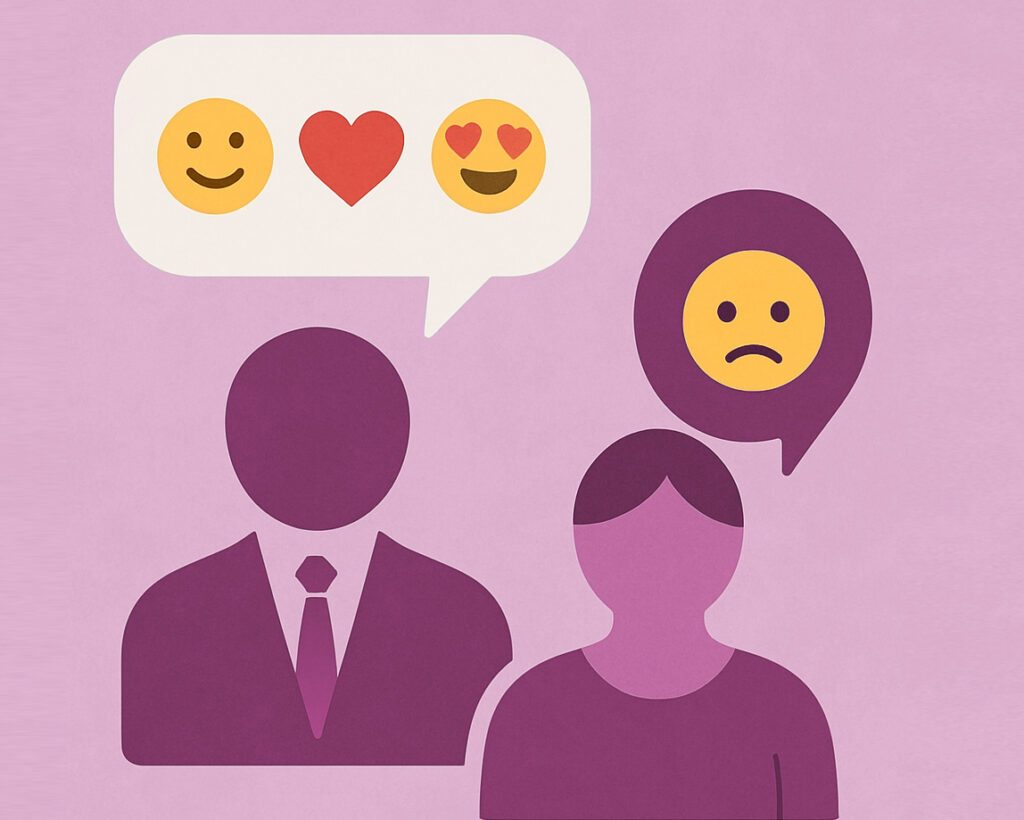
In simple terms:
He thought he was being friendly.
She felt unsafe and unable to speak up.
This is exactly why “I didn’t mean it like that” is not a defence. Impact is what counts.
This example shows why respect at work training must help employees understand how their behaviour can be interpreted by others, especially when digital communication like emojis is involved.
The Commission’s View Was Clear
The Fair Work Commission found:
- The conduct was of a sexual nature, even if not explicit.
- The behaviour was unwelcome (and importantly, a lack of complaint does not mean welcome).
- A reasonable person would anticipate the behaviour could cause offence, humiliation, or intimidation, especially considering:
- the significant age gap
- the manager’s position of authority
- the colleague’s vulnerability (including her visa status)
- the lack of any personal relationship
The employee’s behaviour was also found to fall “well below community standards”, and his unfair dismissal claim was dismissed despite some procedural flaws in the employer’s process.
What this means for Employers
This case landed at an important time, as all workplaces adjust to Australia’s new Positive Duty obligations. These laws require employers to actively prevent sexual harassment, not just respond to it.
Under these obligations, employers must take reasonable and proportionate steps to eliminate or minimise sexual harassment, hostile workplace environments, and related misconduct.
And that includes:
- Clear and current policies
- Proper and accessible reporting avenues
- Leaders who model respectful behaviour
- Regular and meaningful respect at work training
Training isn’t a tick-and-flick exercise anymore. It’s a legal and cultural necessity.
Good respect at work training teaches staff that:
- Friendly behaviour can still be harassment.
- Repeated and unreciprocated messages cross a line.
- Power imbalances matter.
- Unwelcome romantic attention is not harmless.
- Someone doesn’t have to complain for conduct to be considered unwelcome.
- Impact is what matters; not intent.
This case also reminds employers that harassment does not only occur in person. It appears in emojis, text messages, social media interactions and after hours communication.
Positive Duty
The Positive Duty requires employers to take proactive steps and not wait until someone is distressed, uncomfortable or afraid to come to work.
This includes:
- Setting clear behavioural expectations
- Building awareness of how conduct affects others
- Addressing power dynamics
- Teaching employees what is and isn’t appropriate
- Equipping managers to recognise and act early
The Woolworths case shows how easily friendly behaviour can cross into unlawful conduct and how harmful that can be for the person on the receiving end.
The Bottom Line
If your team has not completed respect at work training recently, now is the time to prioritise it to ensure employees understand their obligations and prevent harm.
This decision reinforces why respect at work training is so important. People often assume they know where the line is but real-world cases show otherwise.
Workplaces are safest when:
- Employees understand what harassment actually looks like
- Leaders role-model respectful behaviour
- Employers take proactive steps to prevent harm
- Everyone understands that impact is what counts

If your team hasn’t undertaken Respect at Work training recently or if you’re not sure whether they fully understand their obligations, it’s time to roll out appropriate policies and training to ensure they do.
If you need help or would like us to attend your workplace to run a Respect at Work training session, please reach out anytime, because as always, we’re to help.