

Recruitment isn’t just a box to tick. A strong recruitment process is one of the most important investments any business can make, because the people you bring in today shape the culture, performance, and stability of your business tomorrow.
When you hire well, everything downstream becomes easier. Team cohesion, productivity, customer experience, even retention. When you hire poorly, you spend far more time and money cleaning up the mess.
A thoughtful, well‑designed recruitment process isn’t a luxury. It’s a strategic advantage. It deserves proper time and effort dedicated to it – and that includes ensuring you have the right person in your business leading it.
Here are some of our key tips and tricks for successful recruitment.
And if you don’t have the time or expertise – outsource some if it. We are always happy to assist with parts or all of your recruitment. However, your internal lead recruiter must also put in time, energy and focus to get it right.
Hire What You Can’t Train
Technical skills matter, of course. But they’re only half the story.
The other half — values, character, integrity and attitude — can’t be taught in a training session or fixed with a performance improvement plan. These qualities are either there or they’re not.
That’s why recruiting for values alignment is just as important as recruiting for capability. You want someone who not only can do the job, but who will do it in a way that fits your business ethos and values and contributes positively to the team.
We often advocate for a simple principle: hire what you can’t train.
You can teach someone how to use a system. You can’t teach them to be honest, respectful or accountable.
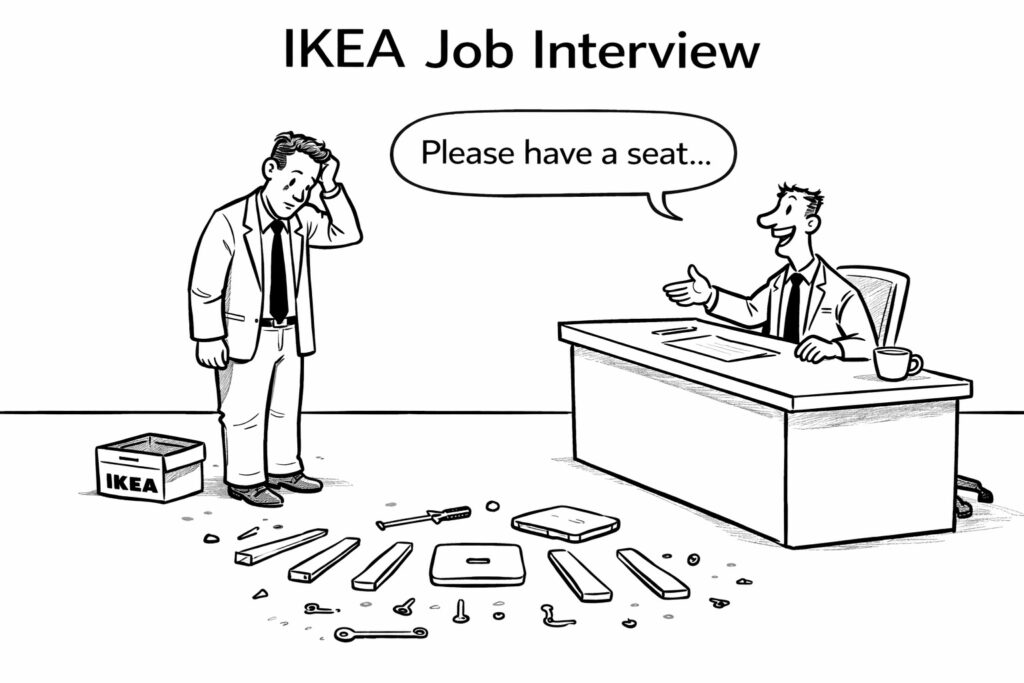
Avoid the “Warm Body” Trap (Bums on Seats)
When workloads are heavy or a vacancy drags on, it’s tempting to grab the first person who seems “good enough” just to fill the seat.
But this shortcut almost always leads to long-term pain—performance issues, cultural friction, disengagement, or turnover.
Taking the time to follow a structured recruitment process isn’t slow. It’s smart.
What a Strong Recruitment Process Looks Like
A strong recruitment process is structured, consistent and designed to assess both capability and character.
Here’s the simple but effective framework we use.
1. Initial Screening Interview (video via teams or zoom)
A short, conversational meeting to:
- Understand the candidate’s motivations
- Confirm basic role fit
- Assess communication style and professionalism
- Get a general sense of personality and potential fit to the role and/or business
This stage helps you filter early without investing too much time. Our clients often ask us to do this step for them – we record the sessions and provide a link so our clients can sit back and watch without having to engage in the conversation.
2. In-Person Interview
This is where you dig deeper.
Focus on:
- Behavioural questions (“Tell me about a time when…”)
- Values alignment
- Real examples of past performance
- How they think, not just what they know
Aim for a genuine conversation, not an interrogation. People show their best selves when they feel safe and respected. Talk to us for tips on how to best relax a candidate to get to see the ‘real’ person.
3. Personality or Behavioural Profiling (Where Appropriate)
Tools like DISC, McQuaig or other behavioural assessments can add another layer of insight
They shouldn’t be used to rule people out, but they can help you understand the persons work style, communication preferences and team compatibility and general approach to work.
Use of these tools assist in your decision making, but you shouldn’t rely on them alone.
4. Capability Assessments
This is a step many organisations skip, but we think it’s essential.
If the role requires writing, ask the candidate to write something for you. If it requires a technical skill like engineering, interior design or carpentry, give the candidate a task to complete to showcase their skill.
An interview only gets you so far. A capability assessment checks that the person actually has the technical skill to do the role.
5. Reference Checks
Ask meaningful questions about performance, reliability and behaviour, not just dates of employment.
In Australia, you can only contact referees approved by the candidate. That means you may need to probe thoughtfully to gain genuine insight because candidates typically only provide referees who they are confident will provide a positive reference.
Don’t be afraid to use the internet to research or find out more information either – if it’s in the public domain, you’re allowed to access it. We often stumble across inconsistencies with candidates when comparing their submitted CV to their LinkedIn profile, or even their Facebook page!
All of these pieces put together should be considered when deciding on your best candidate: their CV / experience and knowledge, the interviews, any personality profile, and capability assessments, plus any reference checks or online research. Build a picture, then make a decision using all of the information you have. Don’t rely on one thing alone.
How to Run a Great Interview
A successful interview isn’t about grilling someone. It’s about creating conditions where you can see who they really are.
You should also approach every interview as a genuine two-way conversation. The candidate is assessing you as much as you’re assessing them. They are doing their own due diligence on whether this is the right role and business for them.
Here are some practical tips:
- Set the tone early.
A warm greeting, a bit of small talk, and a relaxed environment help the candidate settle. When people feel comfortable, they communicate more openly and authentically. - Explain the structure.
For example: “I’m going to ask you some questions, then give you time to ask me anything you’d like.”
Letting them know what to expect reduces anxiety and builds trust. - Ask open, behaviour‑based questions.
These reveal real patterns, not rehearsed answers.
Example: “Tell me about a time you had to handle a difficult customer. What did you do?” - Listen more than you talk.
Silence is your friend. People often reveal the most when you give them space. We like to say in an interview situation: you have two ears and one mouth—use them in that proportion! - Observe how they think.
You’re not just listening for the “right” answer—you’re watching how they approach problems, reflect on experiences, and take responsibility. - Be human.
Candidates aren’t robots, and neither are you. A genuine conversation builds rapport and gives you a clearer picture of who they are.
Recruitment Is an Investment, Not an Admin Task
When you approach recruitment with intention—hiring for values, assessing real capability, and taking the time to understand the person behind the résumé, you set your business up for long-term success.
The right people don’t just fill roles; they elevate teams. They strengthen culture. They help your business grow.
And that’s worth every bit of effort you put in upfront!
If you would like a coaching session on interview techniques or support with your current recruitment needs, or simply have some questions, contact us today because we’re always here to help.
Frequently Asked Questions About the Recruitment Process
How much does a bad hire cost a small business in Australia?
A bad hire can cost anywhere from 30% to 150% of the employee’s annual salary once you factor in recruitment time, lost productivity, training and potential termination costs. For small businesses, the impact is often even greater due to team size and resource limitations.
Should you promote internally instead of recruiting externally?
Internal promotion can strengthen engagement and retention, but only if the person genuinely has the capability and readiness for the role. Promoting to reward loyalty rather than suitability can create performance challenges.
When should you seek external support for recruitment?
If you’re short on time, unsure how to structure interviews, or concerned about hiring risk, external support can strengthen your process. Many businesses choose to outsource parts of recruitment while keeping final decision-making in-house.
How to Write a Job Ad That Attracts Quality Candidates
Recruitment Done Right is about more than filling a vacancy. It’s about building capability and culture for the long term.
Next week, we’ll share practical tips on how to run stronger interviews, identify subtle red flags, and avoid the common traps that lead to costly hiring mistakes.
If recruitment is on your radar, you won’t want to miss it.