

Last updated: April 2026
A lot of businesses include non-compete clauses in Australia in their contracts because it feels like the right thing to do. It sounds sensible. Someone leaves; they don’t take your clients or walk straight into a competitor.
But here’s the reality… they have always been notoriously difficult to enforce, and on most occasions a magistrate won’t uphold such a contract clause, because people have the right to earn a living – and some non-compete clauses are so restrictive it prevents someone from doing the work they are trained to do, in a location near to where they live.
So, they’ve always been a bit shaky, but now things are about to change properly.
From 2027, the Australian Government plans to ban non-compete clauses for most employees earning below the high-income threshold (currently $183,100 per annum and increases every 1 July). Note: the legislation has not yet been formalised or passed, but it’s worth starting to get in front of this probable change early…….
For many businesses, this isn’t just about whether they work or not anymore…
it’s about the fact you likely won’t be able to use them for the majority of your workforce soon.
What is a non-compete clause?
A non-compete clause, also known as a restraint of trade clause, is a contractual provision that restricts A non-compete clause (or restraint of trade clause) is there to stop an employee from competing with you after they leave. Usually that means:
- working for a competitor
- starting a similar business
- using your clients or confidential information
Nothing unreasonable in theory. The issue is usually how they’re written and how far they try to go.
How Do They Work (Right Now)?
At the moment, non-compete clauses sit under common law. Courts generally support people being able to earn a living, so they start from the position that these clauses aren’t enforceable… unless you can show a good reason.
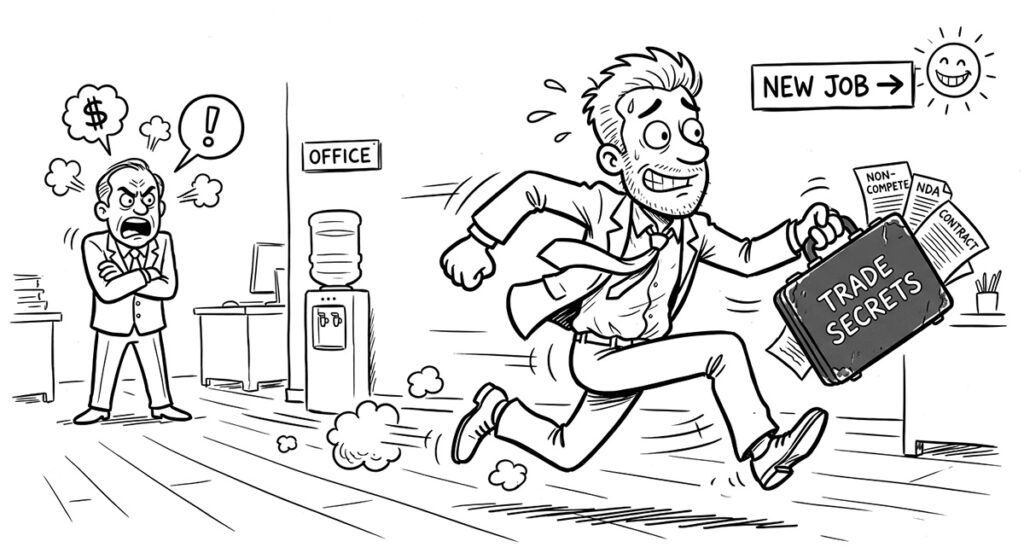
To have any chance of holding up, you need to show:
- You’re protecting something real - Think confidential information, client relationships, trade secrets.
- You haven’t gone too far - The clause needs to be specific and reasonable in its time, location and what you’re actually restricting. There’s nothing in the Fair Work Act that sets this out neatly, so it comes down to how a court sees it.
What Do Courts Actually Look At?
This is where things often fall over. Courts don’t just read the clause; they test whether it makes sense in real life. They look at:
- How long it lasts - Shorter is better. Three to six months is usually where things sit comfortably.
- Where it applies - It needs to match your actual business footprint. If you run locally, you can’t restrict someone nationwide.
- What you’re restricting - You need to be specific. “Any competitive activity” is far too broad.
- Who the employee is - A senior employee with access to strategy and clients is very different to a junior staff member working in an administrative role.
The Big Shift Coming in 2027 for Non-Compete Clauses
This is the part that matters most right now. The Australian Government has already moved past “thinking about it”. Through its Competition Review 2023, it has confirmed plans to:
Ban non-compete clauses for most employees earning below the high-income threshold (currently $183,100)
That’s a large portion of the general workforce, particularly across industries like retail, hospitality, construction, childcare and admin roles. For many small and medium businesses, non-compete clauses won’t just be hard to enforce… they simply won’t be available as an option, and wil not be able to be included in an employment contract.
What This Means for Your Business
If you rely on non-compete clauses now, this is your heads-up. You don’t need to panic but you do need to adjust.
- Don’t assume they’ll protect you going forward
- Don’t keep rolling out the same contract templates
- Don’t wait until 2027 to rethink things
- It also puts more pressure on getting your hiring decisions right from the start.
This is one of those situations where being proactive will save you a lot of headaches later.
What Should You Use Instead?
This is where the focus needs to shift. There are other clauses that you can include in your employment contracts that protect your business properly and will continue to work beyond 2027.
- Confidentiality clauses
- Non-solicitation of clients clause
- Non-solicitation of employees clause
Non-compete clauses aren’t disappearing entirely. But from 2027, they will only really apply to higher income roles. For most businesses, they’re going to become far less relevant.
The better approach now is to focus on protections that can actually be upheld and ensure you include them in your employment contracts.
Need Help?
At HR Staff n’ Stuff, we always say… everything is fine until it isn’t. You don’t put these things in place because you expect problems. You do it so you’re not scrambling if something goes wrong.
If you’re not sure whether your contracts will still do what you need them to do, it’s worth reviewing them now.
We can help you:
- go through what you’ve got
- tidy up anything that needs attention
- and make sure you’re properly covered going forward
Get in touch with the HR Staff n’ Stuff team and we’ll talk it through.
FAQs
Are non-compete clauses being banned in Australia?
Yes. From 2027, they will be banned for most employees earning below the high-income threshold (currently $183,100).
Can employees challenge a non-compete clause?
Yes. Employees can challenge them, and courts regularly reduce or reject clauses that go too far.
Will they still apply to some employees?
Yes. They will still be relevant for higher income roles, where they are reasonable.
What should businesses use instead?
Confidentiality clauses and non-solicitation clauses will become the main protections.
Should we remove them from our contracts now?
Not necessarily, but you should review your contracts and start strengthening other protections now.